The confusion
Both involve flights, hotels, and a group of people in a destination. Both need ground transportation and on-site staff. Both can use a DMC. The surface-level similarity causes planners to apply the same framework to both — and produce programs that underperform on both dimensions.
The fundamental difference is the primary objective. A corporate meeting succeeds when information is transferred, decisions are made, or a business outcome is achieved. An incentive travel program succeeds when the guest experience is so exceptional that the participants feel genuinely rewarded — and the behavior that earned the trip is reinforced for the next cycle.
Everything else follows from that distinction.
Objective determines design
Corporate meeting design starts with the agenda. What does leadership need to communicate? What decisions need to be made? What format — general session, breakouts, workshops — serves the content? The venue, the room configuration, and the schedule all flow from the agenda. Guest experience is important but secondary.
Incentive travel design starts with the guest experience. What does the destination offer that the participant could not access on their own? What experience will they talk about after they return? What will make this trip feel like a genuine reward rather than a work trip in a nice location? The business content — if any — is minimal and secondary.
The budget split is different
In a corporate meeting, the largest budget lines are venue, F&B, and AV. Accommodation and transportation are necessary costs. Activities, if any, are a half-day add-on.
In an incentive program, accommodation and activities are the program. The budget allocation reverses — premium lodging (often resort buyouts), curated activities, exclusive access, and elevated F&B take the largest share. AV is minimal; there are few general sessions. The hotel room is as much a part of the incentive as the activities outside it.
Group size and selection
Corporate meetings are typically mandatory and broad — all of sales, all regional managers, all VP-and-above. Attendance is expected, not earned. Group sizes range from 30 to several thousand depending on the meeting type.
Incentive programs are earned. Participation is restricted to qualifiers — top performers, top dealers, key accounts. Group sizes are typically 20–200. Smaller is better for exclusivity; larger programs risk feeling like a reward for everyone rather than a distinction for top performers.
Destination choice logic
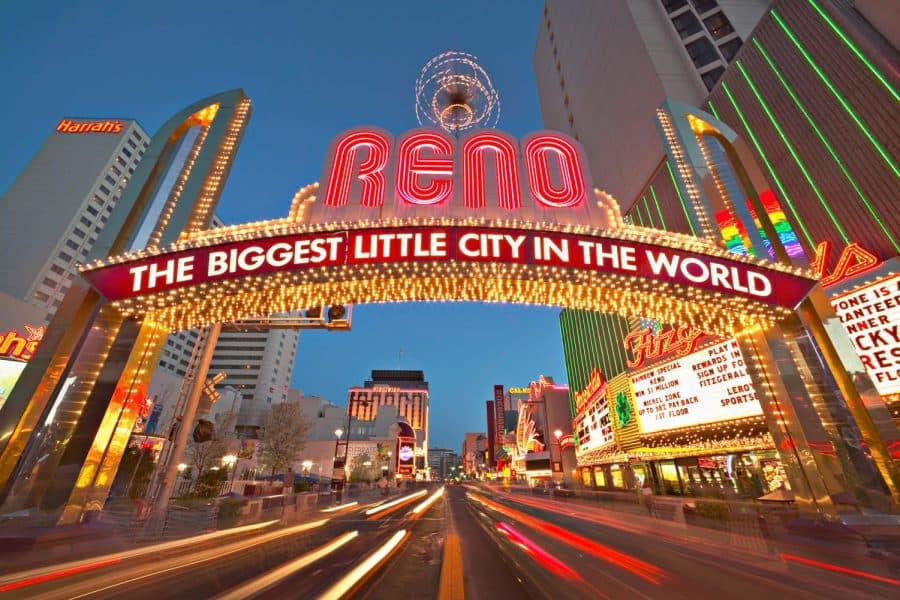
Corporate meeting destinations are chosen for infrastructure — convention capacity, hotel room count, airport access, and rate. A planner choosing between Reno and Las Vegas for a 500-person sales meeting is primarily comparing room rates, meeting space, and logistics.
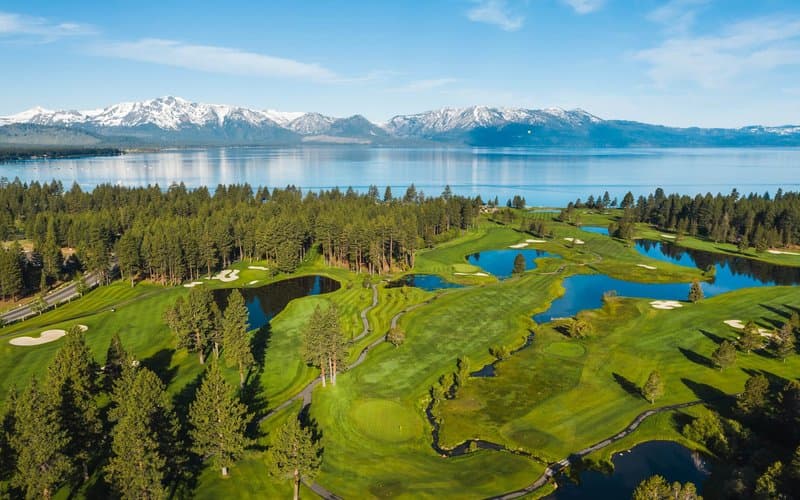
Incentive destinations are chosen for desirability. The question is not “does this market have enough hotel rooms?” but “will participants feel this destination was worth earning?” Carmel Valley Ranch, Edgewood Tahoe, or Bernardus Lodge signal a different level of reward than a convention hotel — even if the convention hotel has objectively better infrastructure.
What a DMC does differently for each
For a corporate meeting, a DMC manages the operational layer: transportation logistics, hotel room block negotiation, convention services, staffing, and on-site execution. The program content is yours; the DMC keeps the logistics from interfering with it.
For an incentive program, a DMC is more involved in program design — curating experiences, securing exclusive access, programming the guest journey from arrival to departure. The logistics are still there, but the DMC's value is equally in the curation layer: which whale watching operator gives the best experience, which winery does private access properly, which restaurant will treat the group like guests rather than a booking.
Can you combine them?
Yes — and many companies do. The format is typically: day 1–2 corporate meeting (general sessions, breakouts, team meetings), day 3–4 incentive extension (exclusive activities, resort environment, no agenda). Participants who qualify for the extension stay; others depart after the meeting days.
This works well when the destinations support it. Reno/Tahoe is the clearest example in Trident's market — convention infrastructure in Reno for the meeting days, Edgewood or Hyatt Tahoe for the incentive extension, with Trident managing transportation and programming for both legs under one contract.
FAQs
Incentive travel is a performance-based reward program where a company funds a travel experience for employees, partners, or customers who meet specific goals — typically top sales performers, top dealers, or key accounts. The trip is the reward, not a business meeting with a nice location. Design, exclusivity, and experience quality are the primary objectives.
Incentive travel budgets vary significantly by company and program scope. Per-person all-in costs (airfare, lodging, activities, F&B, staff) typically range from $2,500 to $8,000+ for domestic programs and $5,000 to $15,000+ for international. The budget is driven by the value of the behavior being incentivized — companies that calculate ROI on incentive programs accurately typically find them among their highest-return investments.
Yes. incentive travel company — Trident manages both program types across Reno/Tahoe and Monterey. Corporate meetings and convention programs are managed through our transportation, convention services, and corporate events practice. Incentive travel programs are built around activity programming, exclusive venue access, and curated guest experiences — a different execution model using the same underlying logistics infrastructure.